

thin film coating on glass
The Importance of Steel Bar Caps in Building Construction In the realm of building construction, structural integrity and safety are paramount. One critical component that contributes to both of these aspects is the steel bar cap. While often overlooked, steel bar caps play a significant role in various construction processes, particularly in reinforcing concrete structures. This article will explore the functions, benefits, and proper usage of steel bar caps in building construction. What are Steel Bar Caps? Steel bar caps, also known as rebar caps or rebar safety caps, are protective coverings placed over the exposed ends of steel reinforcement bars (rebar). Rebar is crucial in reinforcing concrete to enhance its tensile strength. When concrete structures are being constructed, sections of rebar may be left protruding from the concrete formwork to allow for connections with adjacent sections. These exposed ends, if left unprotected, pose serious safety risks to construction workers and can lead to costly accidents. Functions of Steel Bar Caps The primary function of steel bar caps is to provide safety. By enclosing the sharp, exposed ends of rebar, these caps prevent injuries that could result from accidental contact. Workers moving around the job site can be at risk of cuts, punctures, or even more severe injuries if they trip or fall onto protruding rebar. Steel bar caps significantly mitigate these hazards, creating a safer working environment. Aside from safety, steel bar caps also serve to protect the steel rebar itself. Exposure to moisture and environmental elements can lead to corrosion, compromising the effectiveness of the reinforcing bars. Steel bar caps provide a barrier that helps prevent corrosion by shielding the exposed ends from environmental exposure. This prolongs the life of the rebar and maintains the structural integrity of the concrete. Benefits of Using Steel Bar Caps 1. Enhanced Safety The foremost benefit of using steel bar caps is the improvement in workplace safety . With rebar properly capped, the risk of worker injuries is significantly reduced, leading to fewer accidents and associated costs. steel bar cap in building construction 2. Cost-Effective Solution By preventing damage to rebar through corrosion and reducing potential injuries, steel bar caps can save construction companies significant amounts of money. Investing in safety measures can have substantial long-term financial benefits, including avoiding litigation and lowering insurance premiums. 3. Ease of Installation Steel bar caps are generally easy to install. They can be placed on rebar quickly and efficiently, ensuring that safety measures do not impede the construction process. 4. Compliance with Regulations Many construction regulations and safety standards require the use of protective coverings for exposed rebar. Implementing steel bar caps helps firms adhere to these regulations, promoting compliance and enhancing their reputation within the industry. Proper Usage of Steel Bar Caps To maximize the benefits of steel bar caps, it is essential to ensure they are used correctly. Here are some best practices - Choose the Right Size Steel bar caps come in various sizes, and using the right size for the specific rebar is crucial. A cap that is too loose may fall off, while one that is too tight may be difficult to remove when needed. - Regular Inspection Inspect the steel bar caps regularly for signs of wear or damage. Any compromised caps should be replaced immediately to maintain safety standards. - Training and Awareness Workers should be trained on the importance of using steel bar caps and the proper procedures for installing and checking them. Awareness of safety practices contributes to a culture of safety on construction sites. Conclusion In summary, steel bar caps are an indispensable element of building construction that enhances safety and structural integrity. By protecting both workers and rebar, these simple yet effective accessories play a vital role in ensuring that construction projects proceed smoothly and safely. As the construction industry continues to evolve, prioritizing safety through the use of tools such as steel bar caps will remain essential for building a secure future.
about
thin film coating on glass
Understanding Snap Gauge Micrometers Precision Measurement Tools In the realm of precision engineering and manufacturing, tools that provide accurate measurements are indispensable. Among these, the snap gauge micrometer stands out as a crucial instrument used in various applications for precise measurement of dimensions. This article explores what snap gauge micrometers are, how they function, their advantages, and their applications. What is a Snap Gauge Micrometer? A snap gauge micrometer is a measuring device designed to obtain the outer dimensions of workpieces with high accuracy. It typically consists of two measuring faces, which provide a fixed point of reference. Snap gauges are also often called go/no-go gauges because they are primarily used to determine whether an object fits within specified dimensional tolerances. The construction of a snap gauge micrometer usually involves a hardened steel frame and measuring surfaces that can withstand wear and deformation. Many models are equipped with an additional mechanism to indicate when the correct dimensions are reached, often involving a ticking sound or a visual indicator. How Does a Snap Gauge Micrometer Work? Using a snap gauge micrometer is relatively straightforward, but achieving accuracy requires proper technique. The operator places the workpiece between the two measuring faces of the micrometer and gently closes the faces until they contact the object being measured. The function of a snap gauge micrometer is inherently simple it checks the dimension of components to ascertain if they meet predefined specifications. If the workpiece fits within the go limit of the gauge while failing to fit within the no-go limit, it is deemed acceptable . This system allows for efficient quality control in manufacturing processes. Advantages of Snap Gauge Micrometers snap gauge micrometer One of the primary benefits of snap gauge micrometers is their simplicity and ease of use. Operators can quickly assess whether a part is within acceptable tolerances, making it an effective tool for quality assurance. Additionally, snap gauges offer a high degree of accuracy and reproducibility, which is crucial in industries where precision is paramount. Moreover, snap gauge micrometers are often compact and portable, allowing them to be used in various working environments, from workshops to assembly lines. The robust construction of these tools also means they can provide reliable performance for extended periods, further reducing the need for frequent calibrations or replacements. Applications of Snap Gauge Micrometers Snap gauge micrometers find extensive applications across various industries. In the automotive sector, they are used to measure components such as piston diameters, shaft lengths, and valve clearances. The precision offered by snap gauges ensures that parts fit together seamlessly, thereby enhancing the overall quality of the final product. In the aerospace industry, snap gauges play a crucial role in measuring critical components where even the slightest variations in dimensions can lead to failure. The medical device manufacturing sector relies on the accuracy of snap gauge micrometers to ensure that instruments are produced to exact specifications, ultimately impacting patient safety. Furthermore, snap gauge micrometers are used in metalworking, woodworking, and even in the production of consumer goods. Any industry that demands precision in its components can benefit from the use of snap gauge micrometers. Conclusion In conclusion, snap gauge micrometers are vital tools for ensuring dimensional accuracy in a wide array of industries. Their straightforward design and ease of use make them ideal for both experienced operators and those new to precision measurement. As technology continues to advance, the integration of digital scales and electronic indicators is enhancing the functionality of traditional snap gauge micrometers, further solidifying their place in modern manufacturing processes. By understanding and utilizing snap gauge micrometers effectively, industries can maintain high standards of quality control, reduce waste, and enhance overall efficiency. Whether in workshops, labs, or factories, the snap gauge micrometer remains a key ally in the pursuit of precision engineering.
-

High quality industrial productsagement

High quality industrial products
View Details -

Meet the diverse needs of customers

Meet the diverse needs of customers
View Details -

Strict quality control

Strict quality control
View Details -

Top raw materials

Top raw materials
View Details -

Trusted supplier

Trusted supplier
View Details
Our application



news and information
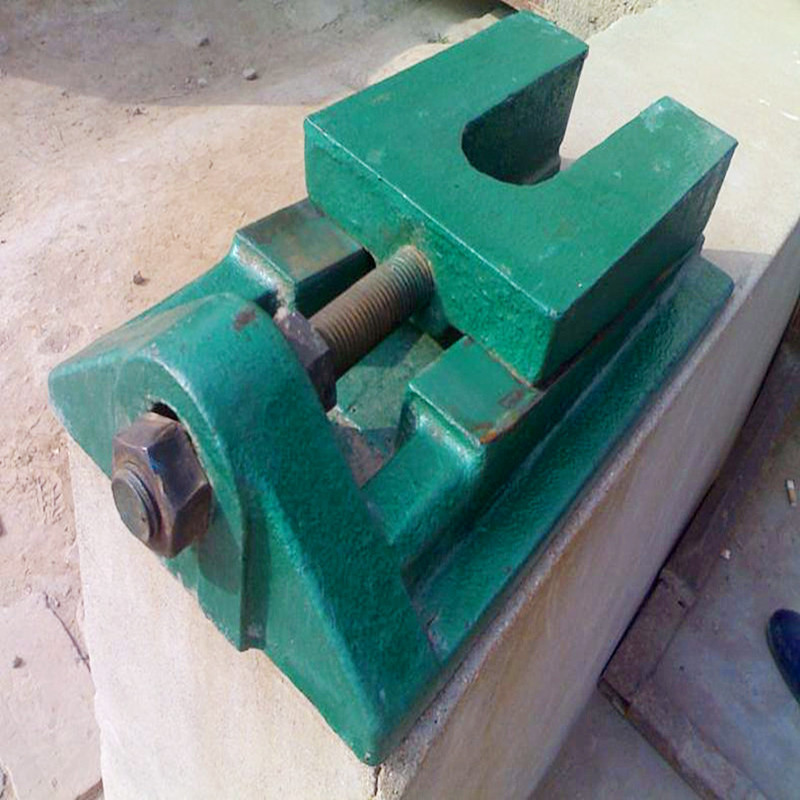
Vibration Isolation Pads for Enhanced Equipment Performance and Longevity
Understanding Vibration Mounting Pads Importance and Applications Vibration isolation is a critical
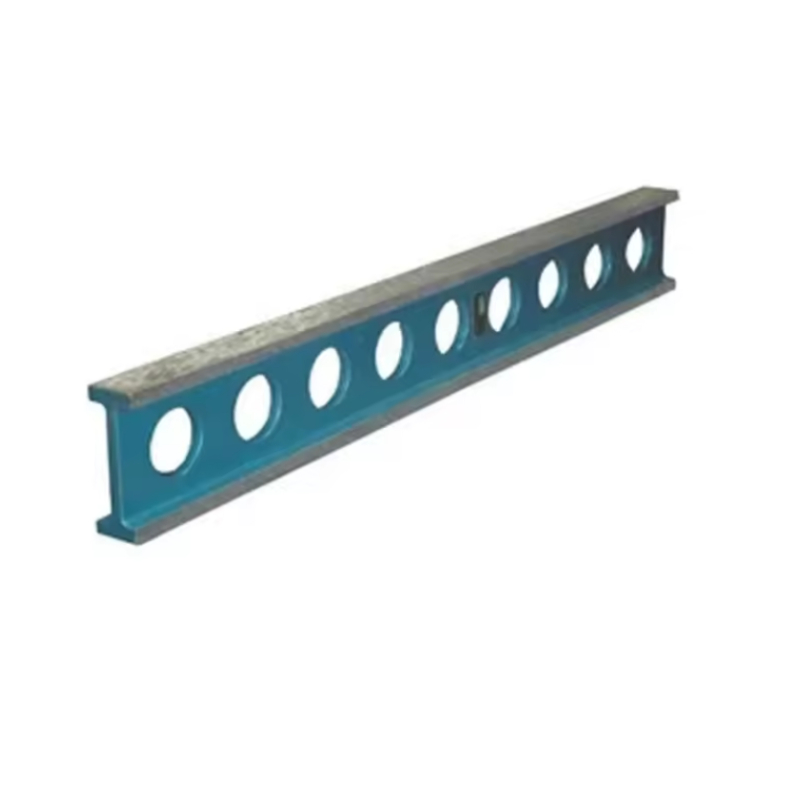
Using a Spirit Level for Accurate Measurement Techniques and Applications
Understanding the Spirit Level and Its Measurements The spirit level, also known as a bubble level,

Welding and Fabrication Techniques for Efficient Metal Assembly and Construction
Understanding the Welding Fabrication Table A Comprehensive Overview Welding fabrication tables play
 English